



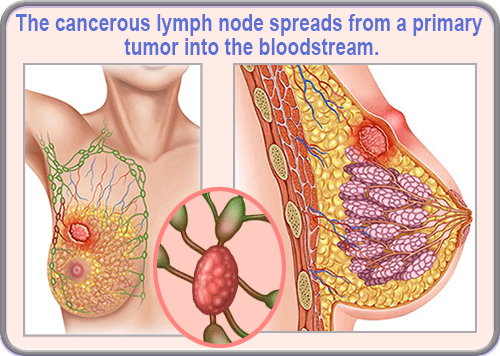




Breast carcinomas constitute the most common type of malignant neoplasm diagnosed within the population, developing directly from epithelial glandular cells. Generally, the common locations for carcinomas within the human body include the skin, mouth, lungs, breasts, stomach, colon, and uterus. Certainly, a tumor is defined as any abnormal mass or lump resulting from an uncontrolled multiplication or increase of its component cells. When a tumor is strictly malignant, it possesses a high capacity for local invasion and for producing metastasis in organs distant from the primary site.
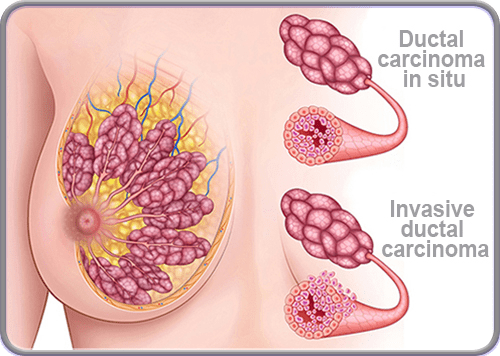
Regarding pathological classification, types of breast cancer are divided into specific categories based on their degree of tissue infiltration. On one hand, ductal carcinoma in situ originates primarily within the cells of the walls of the mammary ducts. Effectively, it is a highly localized cancer that has not extended to other anatomical zones nor produced distant metastasis. For this reason, this condition, considered pre-malignant, can be easily removed through surgery, reaching a therapeutic cure rate that rounds 100%. Furthermore, this specific type of tumor is detected opportunistically through a routine screening mammogram.
On the other hand, infiltrating or invasive ductal carcinoma starts in the mammary duct, but manages to cross it and passes into the fatty tissue of the breast. Likewise, this clinical variant can subsequently extend to other parts of the body due to its aggressive biological behavior. Currently, it represents the most frequent manifestation of Breast carcinomas, being recorded in 80% of diagnosed cases.
Consequently, the main characteristic of this cancer is its multiplication in an uncontrolled manner, independent of the biological tissue where it began. Therefore, the spread of malignant cells to other corporal organs through the lymphatic system is clinically called metastasis. In conclusion, performing an annual mammogram is completely indispensable for women over 40 years old to identify pathological signs in their initial stages. In this manner, medical professionals manage to visualize hidden tumors long before they acquire a perceptible size through regular physical palpation.

