



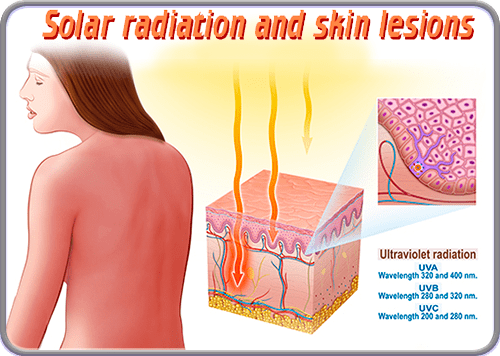
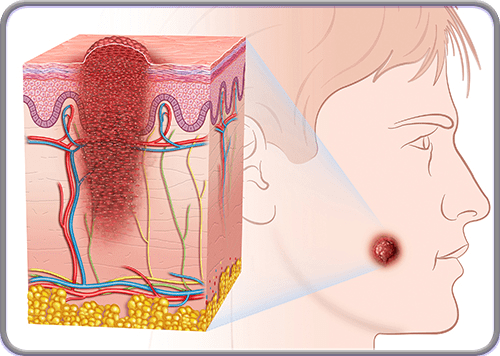
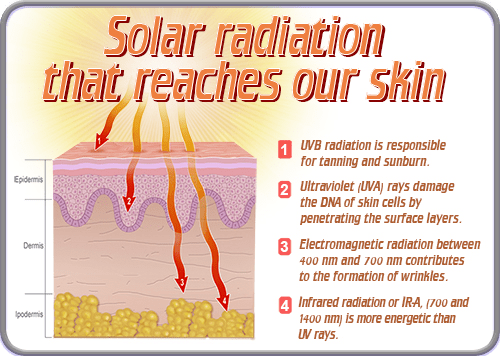

UVB can damage skin DNA by causing irreversible direct genetic mutations within the vulnerable epidermal cellular structures. On the other hand, both UVA and UVB rays possess the dangerous capacity to alter deeper cellular architecture, potentially leading to skin cancer. Certainly, ultraviolet radiation is divided into three specific categories according to its physical properties: namely, UVA, UVB, and UVC rays.
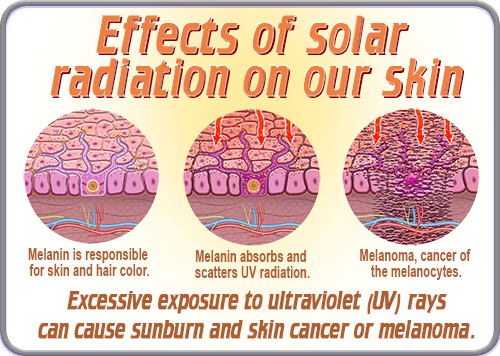
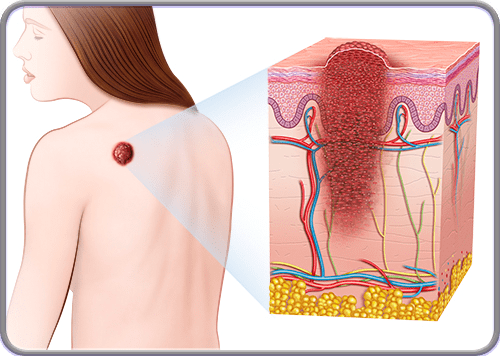
In the first place, UVA rays present a characteristic wavelength that is located precisely between 320 and 400 nm. Regarding UVB rays, their spectrum is situated between 280 and 320 nm, consequently carrying a significantly superior amount of destructive energy. Likewise, a large part of this dangerous radiation is filtered effectively by the protective ozone layer and atmospheric clouds. Nevertheless, the remaining radiation that reaches the surface is highly harmful to human tissues exposed without any professional control. In fact, these energetic waves are direct causes of acute sunburns and the subsequent development of malignant cutaneous melanoma.
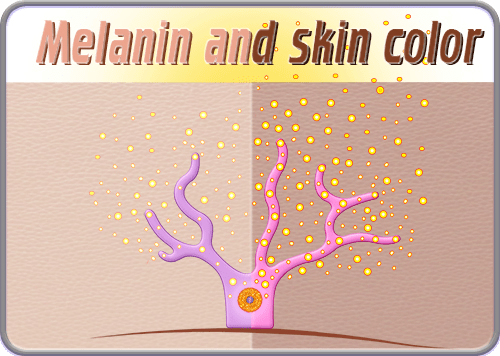
Therefore, the biological function of melanin consists exclusively of protecting our bodies against the harmful effects of these environmental ultraviolet rays. Furthermore, this natural pigment happens to be directly responsible for the defensive skin tanning process against external solar radiation. Indeed, specialized melanocytes are located inside the skin, specifically within the basal layer of the epidermis, activating gradually with sun exposure.
Contrary to popular myths, the incidence of melanoma decreases significantly through proper photoprotection and the consistent application of broad-spectrum sunscreens. Consequently, rigorous clinical studies dismiss the notion that excessive sun exposure reduces malignant tumors in high-risk chronic patients. As a result, preventive medicine strongly emphasizes the necessity of avoiding direct sun exposure during peak environmental intensity hours. To conclude, protecting the cutaneous tissue from direct radiation stabilizes the natural cellular repair mechanisms. Thus, it effectively reduces the probability of undergoing malignant neoplastic transformations caused by cumulative long-term solar damage over time.

