



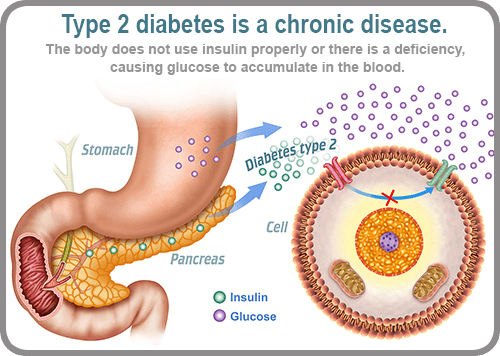

Diabetes chronic disease of a metabolic nature, caused when the pancreas does not produce enough insulin or the organism cannot effectively utilize it. Certainly, insulin functions as the primary regulatory hormone for blood sugar levels. Consequently, uncontrolled metabolic states lead directly to hyperglycemia, which means a pathological increase of sugar within the bloodstream. Furthermore, over time, this condition severely damages many organs and systems, especially affecting peripheral nerves and vital blood vessels.
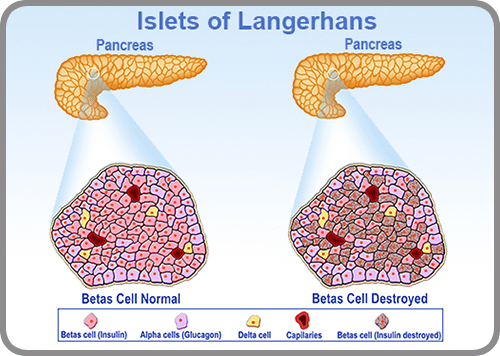
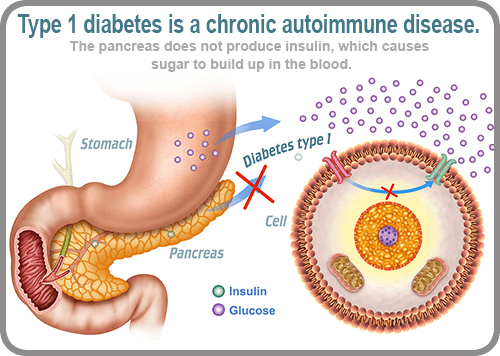
Effectively, insulin is the primary regulator of general glucose concentration. Glucose is a fundamental simple sugar. When you consume food, your body breaks it down into small particles, allowing glucose to enter the bloodstream to fulfill its main function of providing energy. For this reason, this hormone allows cells the necessary supply of glucose for metabolic energy expenditure processes. Therefore, its essential function is to favor the incorporation of glucose from the blood into the interior of body cells. In this manner, insulin is released by pancreatic beta cells when the blood glucose level is high.
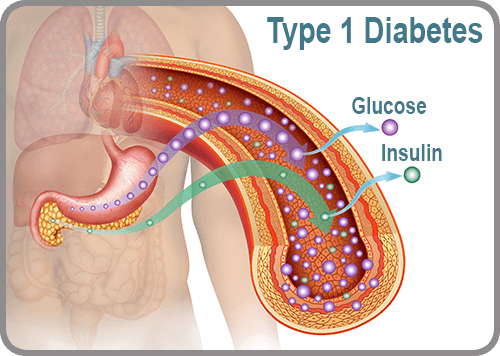
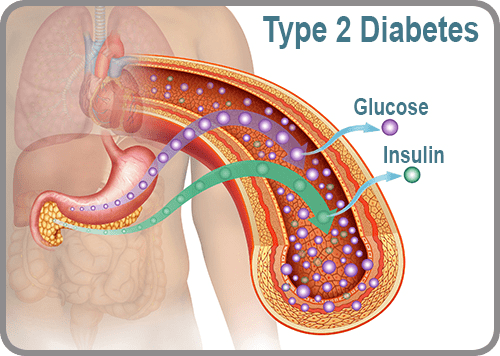
Regarding classifications, the type 1 variant occurs with greater frequency in children and adolescents. This typology is characterized by a deficient production of insulin, requiring the daily administration of this hormone to maintain normal organic activity. On the other hand, the type 2 variant generally presents during adulthood, although it is also manifesting currently in children. In these cases, the problem is due to an ineffective utilization of insulin by the receptor tissues.
Currently, this specific type represents 90% of global cases. Nonetheless, this is largely due to physical inactivity and the fact of possessing an excessive body weight. In conclusion, the comprehensive management of Diabetes chronic diabetes disease is completely indispensable to avoid severe organic complications. Thus, medical control and healthy habits save lives in a permanent manner.

