



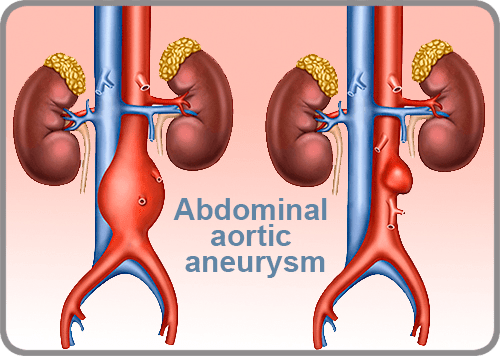
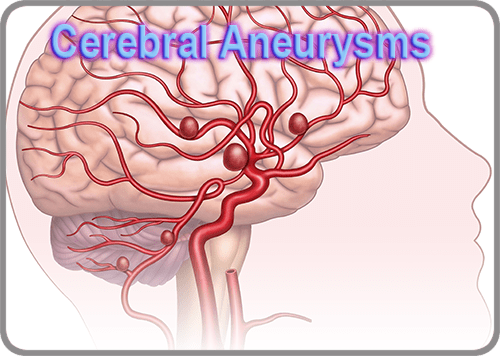
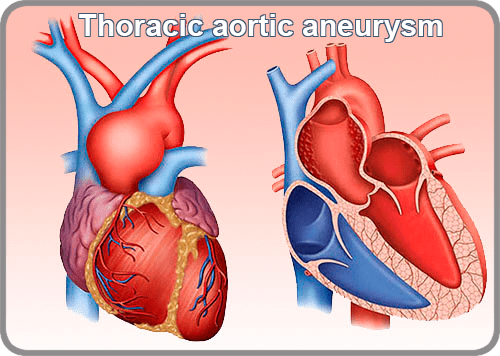
Arterial aneurysms are localized dilations within blood vessels, primarily caused by a progressive weakening of the vascular wall structure. Likewise, these pathological conditions are strictly classified according to their specific anatomical location and shape. On one hand, cerebral or intracranial variants directly affect the delicate arteries inside the brain. On the other hand, thoracic aortic variants develop within the segment of the aorta that traverses the chest cavity. Furthermore, abdominal aortic structures are situated along the major vessel section extending through the abdomen.
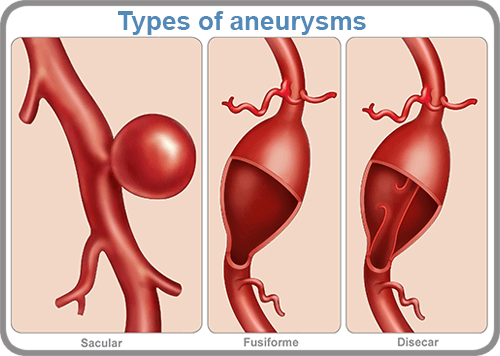
Regarding their morphology, medical specialists categorize them into three distinctive structural types. First, a saccular aneurysm bulges out asymmetrically from one specific side of the arterial wall. Second, a fusiform aneurysm expands the vessel diameter uniformly around the entire circumference. Third, a dissecting aneurysm involves an internal tear, creating a dangerous double-walled lumen along the arterial path.
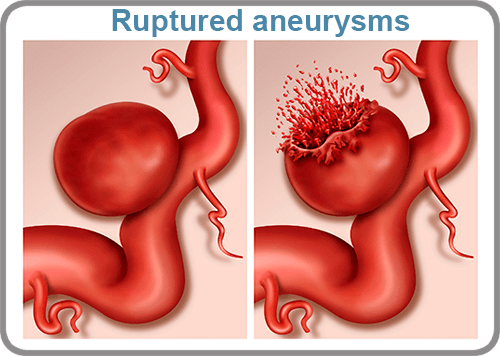
Undoubtedly, the sudden rupture of any vascular dilation constitutes a critical medical emergency that immediately threatens patient survival. Consequently, timely surgical intervention remains completely indispensable, and the definitive approach depends heavily on the size, location, and clinical symptoms. Currently, surgical aneurysm clipping stands out as an exceptionally effective procedure designed to repair these weak vascular segments. During this delicate operation, a specialized microsurgical metallic clip is placed precisely at the structural base of the bulge. Thus, blood flow into the dilated area is permanently blocked, successfully preventing a catastrophic hemorrhagic event.
Alternatively, endovascular specialists frequently perform coil embolization combined with customized stents or biocompatible mesh tubes. This advanced device functions as an internal scaffold that effectively stabilizes the damaged vascular wall from within. Therefore, early detection through diagnostic imaging techniques substantially reduces the high mortality rates associated with this silent disease. In conclusion, a comprehensive multidisciplinary management approach ensures the selection of the optimal therapeutic strategy for every individual patient, safely preserving overall vascular integrity. Hence, routine clinical monitoring is vital to prevent future adverse vascular outcomes. Additionally, specialized clinical centers provide comprehensive diagnostic evaluations, which significantly improve the global prognosis for high-risk patients facing immediate complications. Consequently, modern vascular medicine offers safe alternatives for therapeutic success.

